
Articles
Groundbreaking Case Study: Chiropractic Care Achieves Complete Resolution of Urinary Incontinence in 63-Year-Old Woman
MARCH 2026 — EAGLE, IDAHO
Jaeger J, Moore R, Burkhardt L. Resolution of Urinary incontinence following Chiropractic BioPhysics protocol to reduce vertebral subluxations. Annals of Vertebral Subluxation Research 2014; August 27: 145-152. (Link)
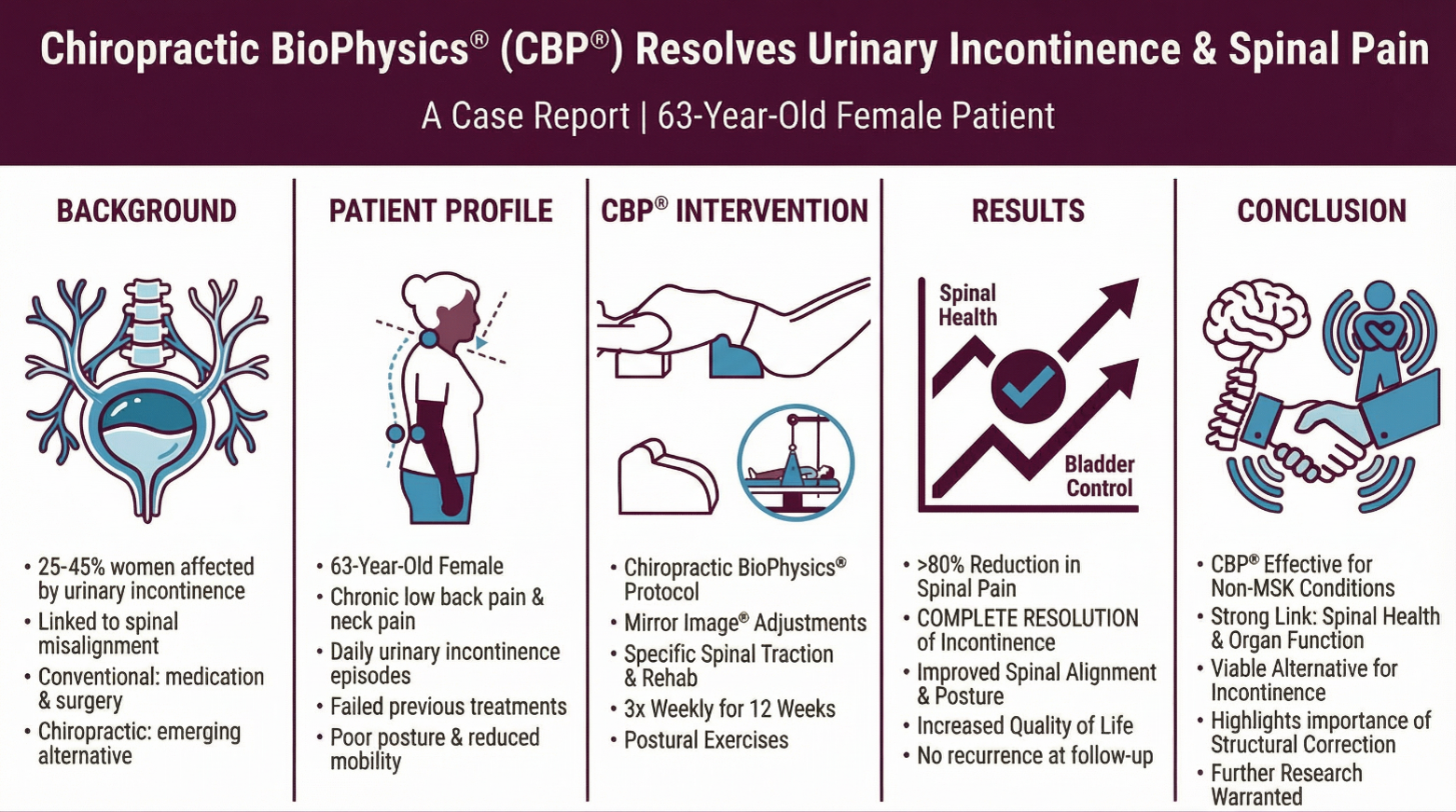
A newly published clinical case study has documented a remarkable medical outcome: a 63-year-old female patient suffering from urinary incontinence achieved complete resolution of her condition after just 54 days of corrective chiropractic care. The study highlights an 86.3% correction in spinal alignment, offering new hope for millions suffering from this debilitating condition.
The case report, detailing the successful application of Chiropractic BioPhysics (CBP) protocols, provides compelling evidence for the often-overlooked connection between spinal structural integrity and neurological bladder control. By addressing the root cause—mechanical tension on the central nervous system—clinicians were able to restore normal function without surgery or pharmaceutical intervention.
The Silent Epidemic
Urinary incontinence is a pervasive health issue affecting approximately 13 million Americans, with women comprising 85% of all cases. Far more than a minor inconvenience, the condition profoundly impacts quality of life, leading to social isolation, anxiety, and depression.
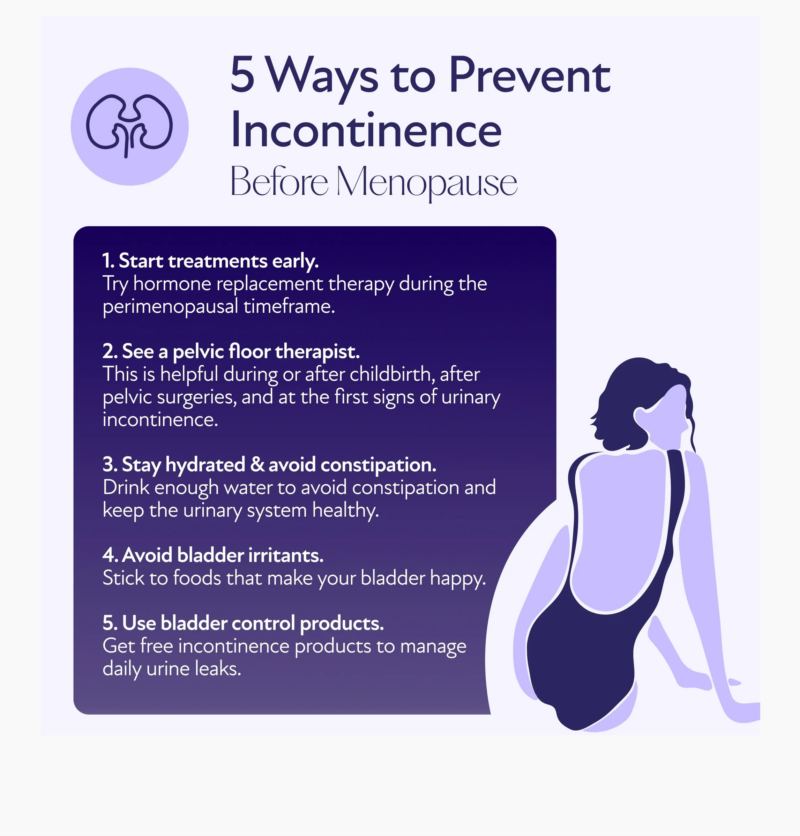
Urinary incontinence affects millions of women worldwide, often disrupting daily life and emotional well-being.
Standard medical treatments typically include pelvic floor training, pharmaceutical management (such as anticholinergics), or surgical interventions like trans obturator vaginal slings. However, these conventional approaches come with significant limitations. Medications often carry unpleasant side effects, while surgical procedures risk complications including mesh erosion and recurrent infections. This new case study suggests that for many patients, the answer may not lie in the bladder itself, but in the spine.
A Revolutionary Approach: Chiropractic BioPhysics®
Chiropractic BioPhysics (CBP) is a highly advanced, scientific technique that focuses on correcting the spine’s geometry to restore normal nerve function. Unlike traditional chiropractic, which often focuses primarily on immediate pain relief through mobilization, CBP emphasizes long-term structural rehabilitation.
The premise is grounded in physics and neurology: significant deviations from normal spinal curvature place mechanical tension on the spinal cord. This “tethering” effect can disrupt the delicate neurological signals traveling between the brain and vital organs—including the bladder. By remodeling the spine back toward its ideal alignment, CBP practitioners aim to relieve this tension and restore proper physiological function.
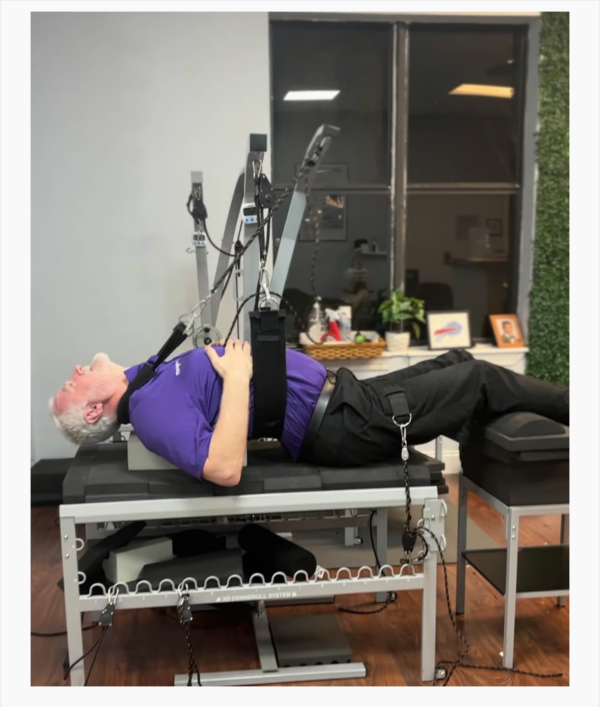
CBP employs precise, evidence-based protocols to structurally rehabilitate the spine.
The Case Study: A Life Transformed
The subject of the case report was a 63-year-old female, 5’3″ and 135 lbs, who presented with a recent history of urinary incontinence alongside chronic neck, mid-back, and low-back pain. She was actively taking Toviaz® for overactive bladder but sought a conservative alternative.
Upon initial examination, radiographic imaging revealed severe structural distortions:
- Cervical Kyphosis: A reversal of the normal neck curve (measured at -6.9° vs. normal -42°).
- Lateral Translation: A significant sideways shift of her ribcage relative to her pelvis (46.8mm deviation).
- Anterior Head Carriage: Forward head posture placing strain on the upper spinal cord.
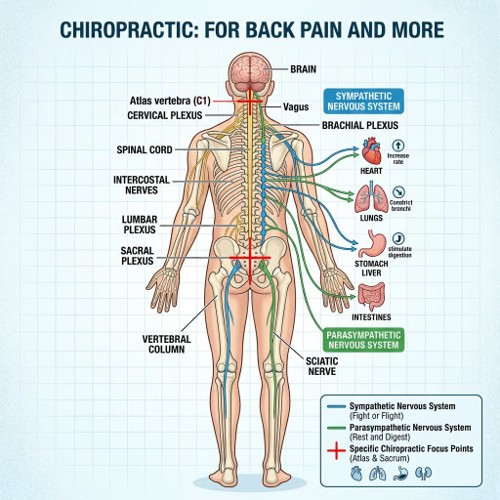
Structural misalignments in the spine can create direct tension on the nervous system control centers.
The Treatment Protocol
The patient underwent a comprehensive 54-day corrective program comprising 22 visits. The multimodal approach included:
- Chiropractic Adjustments: Diversified spinal manipulation targeting subluxations at C5-C7, T3-T9, and L4-L5.
- Spinal Traction:
- Axial cervical decompression traction to rehydrate
- Flexion-distraction lumbar
- Universal Traction System® specifically to correct the lateral ribcage
- Physiotherapy Modalities: Electronic muscle stimulation (10 minutes), cryotherapy (10 minutes), and myofascial release.
- CBP Corrective Exercises: Neck extension exercises with Therabands and core stability work on a Theraball to reinforce the new alignment.
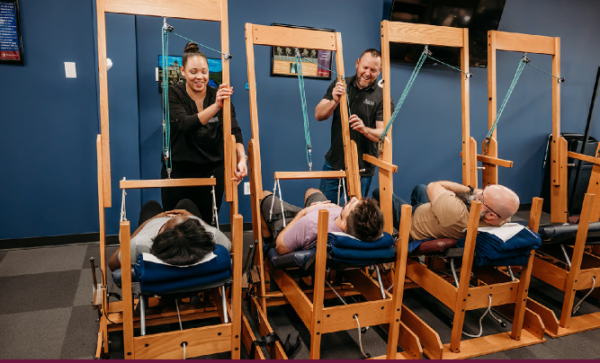
Figure- CBP® Mirror Image® Traction Examples.
CLINICAL OUTCOMES
| ✓ Urinary Incontinence: COMPLETE RESOLUTION |
|---|
| ✓ Neck & Low Back Pain: COMPLETE RESOLUTION (0/10) |
| ✓ Mid-Back Pain: Reduced to minimal levels (1/10) |
| ✓ Lateral Translation: Improved from 46.8mm to 6.4mm (86.3% Correction) |
| ✓ Cervical Lordosis: Improved from -6.9° to -11° |
| ✓ Medication Status: Successfully discontinued Toviaz® |
Remarkable Results
Following the 22-visit regimen, the patient’s progress was objectively measured through follow-up x-rays and clinical questionnaires. The results were nothing short of transformative.
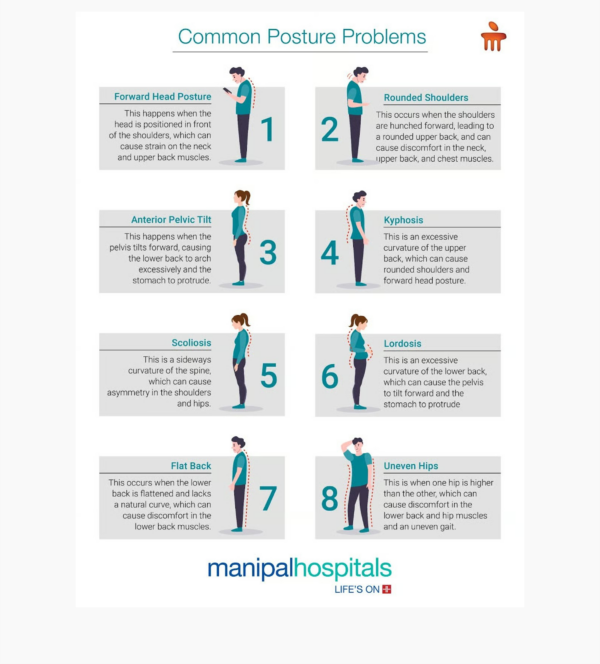
Corrective exercises help stabilize the spine and maintain long-term alignment improvements
The Science Behind the Success
How does straightening a spine fix a bladder problem? The answer lies in the “micturition reflex”—the complex neurological loop controlling the bladder. This reflex relies on clear communication between the brain and the bladder via nerves exiting the lower spine (T11-L2 and pudendal nerves).
According to the case study authors, structural misalignments—specifically the loss of normal curves and lateral shifts—lengthen the spinal canal. This creates pathological tension (adverse mechanical cord tension) on the spinal cord and nerve roots. Furthermore, this tension can cause stagnation of cerebrospinal fluid (CSF), disrupting the metabolic environment of the central nervous system. By correcting the structural deformity, the CBP protocol effectively “detethered” the nervous system, removing the interference that was disrupting the patient’s bladder control.
Clinical Significance
“This case report provides evidence that chiropractic care following chiropractic biophysics protocol may indeed help patients with neurological problems, including urinary incontinence.”
This case adds to a growing body of evidence suggesting that conservative spinal care should be considered a viable first-line option for conditions often thought to be purely “organic” or age-related. For patients facing the prospect of lifetime medication or invasive surgery, structural chiropractic care offers a safe, non-invasive alternative that addresses the cause rather than just the symptom.
A Message of Hope
For the millions of women silently suffering from urinary incontinence, this case study serves as a powerful beacon of hope. It challenges the accepted narrative that incontinence is an inevitable part of aging that must be “managed.” Instead, it posits that for many, it is a treatable neurological consequence of structural breakdown.
Patients are encouraged to look beyond symptom management and consider whether spinal health may be the missing piece of their health puzzle. With non-invasive options available, a structural evaluation could be the first step toward a life free from limitation.
Jaeger J, Moore R, Burkhardt L. Resolution of Urinary incontinence following Chiropractic BioPhysics protocol to reduce vertebral subluxations. Annals of Vertebral Subluxation Research 2014; August 27: 145-152. (Link)
Disclaimer: This article is based on a specific clinical case report. Individual results may vary. This content is for informational purposes only and does not constitute medical advice. Always consult with a qualified healthcare provider for diagnosis and treatment of medical conditions.
© 2026 CBP Seminars. All rights reserved.
Share This Story:
About the Authors & CBP Non-Profit
This study was conducted by researchers including Dr. Deed E. Harrison, President of CBP NonProfit Inc. CBP® (Chiropractic BioPhysics®) is one of the most researched chiropractic techniques in the world, focusing on optimal posture and spinal alignment as the primary goals of care. By combining physics, geometry, and biology, CBP® doctors aim to restore normal spinal mechanics to improve overall health.
About CBP NonProfit
CBP NonProfit is a 501(c)(3) research foundation dedicated to the advancement of spine rehabilitation through high-quality, peer-reviewed chiropractic and physiotherapy research. With over 300 published studies to date, CBP NonProfit is a global leader in evidence-based spinal care innovation.
Recent Posts




CONTACT CBP
CBP Seminars, Inc.
21863 Thorsten Avenue Suite 207
Caldwell, ID 83605
Phone: 208-939-0301
Fax: 208-209-6009
Email: [email protected]
Web: idealspine.com
LATEST ARTICLES
CONTACT CBP
CBP Seminars, Inc.
1160 Taylor Street Suite 100
Meridian, ID 83642
Phone: 208-939-0301
Fax: 208-209-6009
Email: [email protected]
Web: idealspine.com