
Articles
Lumbar Spine Alignment in Acute Low Back Pain: Radiographic Screening & Biomechanical Diagnosis
Eagle, Idaho — March 16, 2026 — CBP Seminars Research Team
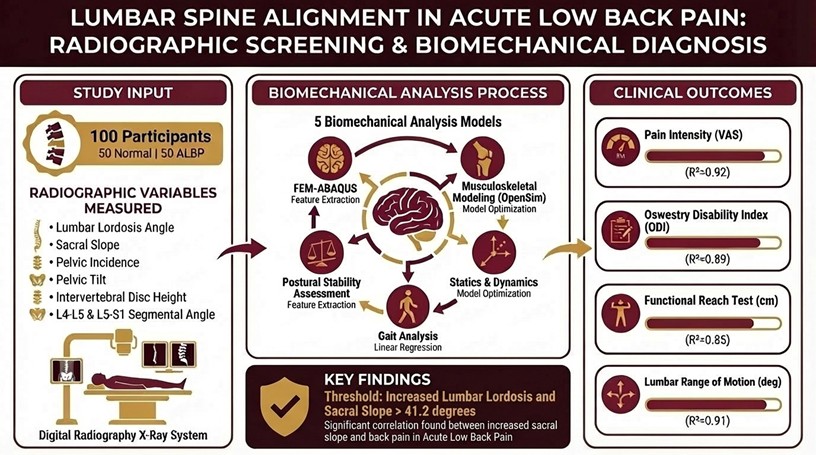
Introduction: The Puzzle of Low Back Pain
Low back pain (LBP) is a widespread and debilitating condition, affecting millions worldwide. While many cases resolve on their own, a significant portion develops into chronic pain, impacting quality of life and productivity. Understanding the underlying causes and contributing factors to LBP is crucial for developing effective prevention and treatment strategies. Recent research sheds light on the intricate relationship between pelvic morphology, lumbar alignment, and acute low back pain (ALBP).
This article summarizes the key findings of a groundbreaking study investigating how the shape of the pelvis influences the alignment of the lumbar spine and its potential role in ALBP. We’ll break down the complex anatomical concepts into easy-to-understand terms, making this valuable information accessible to everyone.
The Pelvis and Spine: An Interconnected System


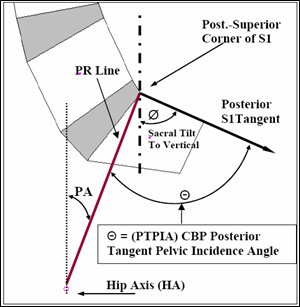
The pelvis and lumbar spine are biomechanically linked, working together to support the body’s weight, facilitate movement, and maintain balance. The pelvis acts as a foundation for the spine, and its shape and orientation can significantly influence the curvature and alignment of the lumbar region. Specifically, researchers have focused on key parameters like:
- Lumbar Lordosis: The inward, concave, curve of the lower back.
- Sacral Base Angle (SBA): The angle between the horizontal and the sacral base.
- Pelvic Morphology Angles: Measurements describing the shape and orientation of the pelvis, including the Angle of Pelvic Incidence (API) and the Posterior Tangent Pelvic Incidence Angle (PTPIA).
Understanding how these parameters interact is essential for comprehending the mechanisms behind LBP.
Key Findings: Pelvic Shape and ALBP
The research article meticulously examined the relationship between pelvic morphology and lumbar alignment in individuals experiencing ALBP. The study revealed several significant findings:
- Specific Pelvic Shapes are Associated with ALBP: The research suggests that certain variations in pelvic shape, as quantified by API and PTPIA, are more prevalent in individuals with ALBP compared to those without.
- Altered Lumbar Alignment: Individuals with ALBP exhibited altered lumbar lordosis and SBA compared to the control group. These changes in spinal curvature may contribute to pain and
- Compensatory Mechanisms: The study hints at potential compensatory mechanisms within the spine and For example, individuals with a certain pelvic morphology might exhibit a specific type of lumbar curvature as an adaptation.
- Clinical Implications: These findings underscore the importance of considering pelvic morphology when evaluating and treating Understanding the individual’s pelvic shape can provide valuable insights into the underlying biomechanical factors contributing to their pain.
Delving Deeper: Understanding the Angles
|
|
|---|---|
| A measurement of the curvature of the lower back. An increased or decreased lordosis can contribute to LBP. | Spine radiographic analysis is the gold standard for measuring spinal curvature. The Cobb Angle: It’s determined by drawing lines along the superior endplate of the uppermost vertebra and the inferior endplate of the lowermost vertebra involved in the curve. The Posterior Body Tangent Line: Is determined by drawing lines on the backs of the vertebral body margins at L1 to L5, for example, and measuring their angle of intersection. The angle between these lines represents the degree of lumbar lordosis. Deviations from the normal range can indicate spinal imbalance. |
|
|
| The angle between the horizontal and the top of the sacrum (sacral base).
Affects spinal stability. |
The sacral base angle reflects the tilt of the sacrum, the bone at the base of the spine. A larger SBA indicates a more forward tilted sacrum, which can increase the lumbar lordosis. Maintaining a healthy SBA is crucial for proper weight distribution and spinal stability. |
|
|
| Measurements quantifying the shape and orientation of the pelvis | The Angle of Pelvic Incidence (API) and Posterior Tangent Pelvic Incidence Angle (PTPIA) are sophisticated measures providing a comprehensive assessment of pelvic shape in the sagittal plane using the sacrum and the hip axis as reference points.
These angles capture subtle variations in pelvic dimensions that can significantly impact spinal alignment and susceptibility to LBP and spine deformity. These measurements, while technical, are crucial for a detailed understanding of the individual’s biomechanical profile. |
The Bigger Picture: Implications for Treatment and Prevention
This research has important implications for how we approach the management of ALBP. By understanding the link between pelvic morphology and lumbar alignment, clinicians can develop more targeted and personalized treatment plans. This may include:
- Individualized Exercise Programs: Exercises tailored to address specific imbalances in pelvic alignment and lumbar curvature.
- Manual Therapy Techniques: Techniques aimed at restoring proper joint mechanics and reducing muscle imbalances.
- Ergonomic Assessments: Modifying workspaces and daily activities to minimize stress on the spine and pelvis.
Moreover, identifying individuals with specific pelvic morphologies that predispose them to LBP could pave the way for preventative interventions. Educating individuals about proper posture, lifting techniques, and core strengthening exercises could help mitigate their risk.
The Future of Low Back Pain Research
This study represents a significant step forward in our understanding of the complex interplay between pelvic morphology, lumbar alignment, and ALBP. Future research should focus on:
- Longitudinal Studies: Tracking individuals over time to assess the long-term impact of pelvic morphology on spinal health.
- Investigating the Role of Muscle Imbalances: Exploring the relationship between pelvic shape, lumbar alignment, and the activity of key muscles in the back and core.
- Developing Predictive Models: Creating models to predict an individual’s risk of developing LBP based on their pelvic morphology and other factors.
By continuing to unravel the complexities of LBP, we can develop more effective strategies to prevent and treat this debilitating condition.
Summary
In summary, recent research highlights a significant link between pelvic shape, lumbar alignment, and acute low back pain. Specific variations in pelvic morphology can influence the curvature of the lower back and contribute to pain and discomfort. These findings underscore the importance of considering pelvic morphology in the evaluation and treatment of ALBP, paving the way for more personalized and effective management strategies. Further research is needed to fully elucidate these complex relationships and develop targeted interventions to prevent and treat low back pain.
Reference
Oakley PA, Moustafa IM, Betz JW, Jaeger JO, Harrison DE. Sensitivity and Specificity of Elliptical Modeling and Sagittal Lumbar Alignment Variables in Normal vs. Acute Low Back Pain Patients: Does Pelvic Morphology Explain Group Lordotic Differences? Healthcare (Basel). 2025 Dec 3;13(23):3163. doi: 10.3390/healthcare13233163. PMID: 41373380; PMCID: PMC12692074.
Suffering from low back pain or poor posture?
Contact a CBP® certified doctor today to determine if spinal misalignment is driving your symptoms.
CBP Seminars / IdealSpine
Eagle, Idaho
Phone: (208) 939-0301
About the Authors & CBP Non-Profit
This study was conducted by researchers including Dr. Deed E. Harrison, President of CBP NonProfit Inc. CBP® (Chiropractic BioPhysics®) is one of the most researched chiropractic techniques in the world, focusing on optimal posture and spinal alignment as the primary goals of care. By combining physics, geometry, and biology, CBP® doctors aim to restore normal spinal mechanics to improve overall health.
Share This Story:
Recent Posts


CONTACT CBP
CBP Seminars, Inc.
21863 Thorsten Avenue Suite 207
Caldwell, ID 83605
Phone: 208-939-0301
Fax: 208-209-6009
Email: [email protected]
Web: idealspine.com
LATEST ARTICLES
CONTACT CBP
CBP Seminars, Inc.
1160 Taylor Street Suite 100
Meridian, ID 83642
Phone: 208-939-0301
Fax: 208-209-6009
Email: [email protected]
Web: idealspine.com